What Is Welding? How Metal Is Joined, Explained Simply
Welding joins metal by melting the edges of two pieces together, usually with added filler, so they cool into a single solid piece.
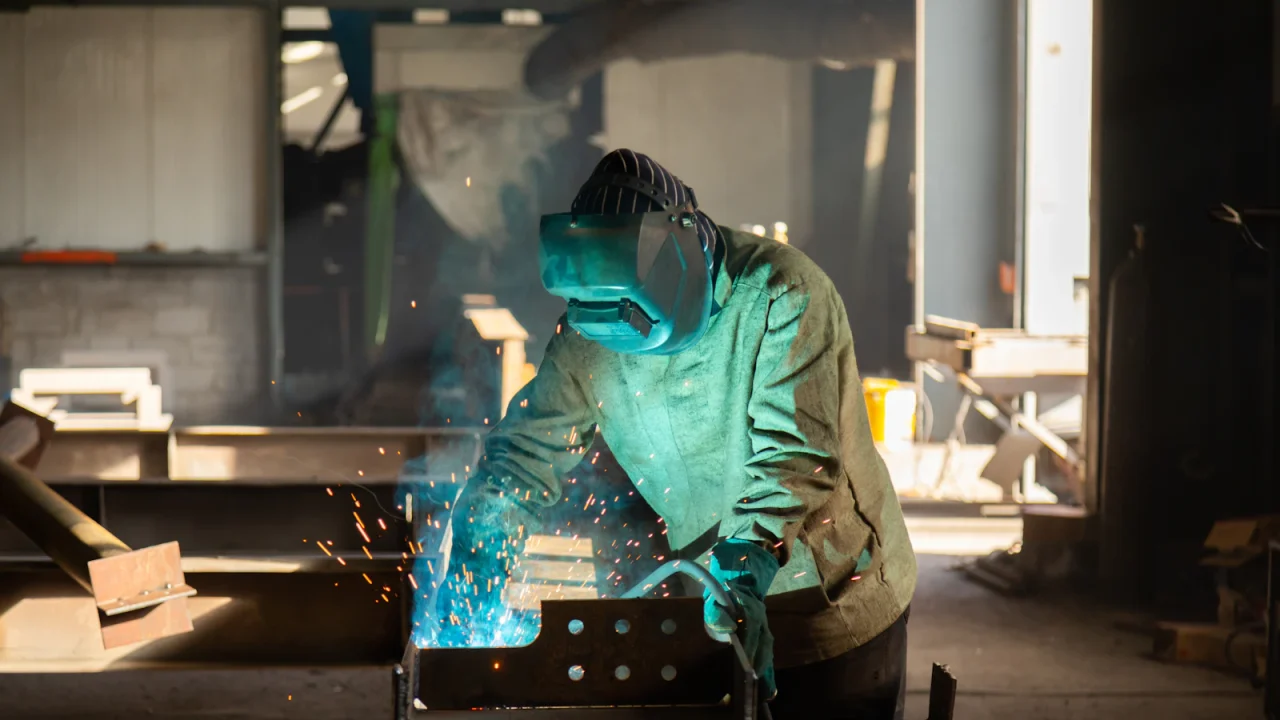
Welding joins two pieces of metal by melting their edges together, usually with extra filler metal added, so the joint cools into one continuous piece. That is what separates a weld from a bolt, a rivet or a glue line: the parts are fused, not just held against each other.
On this page
Nearly all home and hobby welding is arc welding. An electric arc between an electrode and the workpiece produces enough heat to melt steel almost instantly, and a shielding gas or flux keeps air away from the molten metal until it hardens.
How an arc weld forms
A welding machine is a controllable power supply. One lead runs to the electrode in your hand and the other to a clamp on the workpiece. When the electrode comes close enough to the metal, current jumps the gap as an arc and the circuit is complete.
The arc is far hotter than the melting point of steel. It melts a small pool of the base metal, called the weld puddle, and in most processes it melts filler metal into that pool at the same time. As you move along the joint the puddle moves with you, and the metal behind it solidifies into a weld bead.
Two terms describe what happened below the surface. Fusion means the filler and both pieces of base metal melted together. Penetration is how deep that melting reached into the joint. A bead can look neat and have neither, which is why settings and technique matter.
Why the puddle needs shielding
Molten metal reacts with the oxygen and nitrogen in air. Left exposed, the weld fills with gas pockets and turns brittle. Every arc process prevents this in one of two ways: a shielding gas such as argon or carbon dioxide flows over the puddle from a cylinder, or a flux burns in the arc to create its own protective gas and a crust of slag. When shielding fails, the usual result is porosity, visible as pinholes in the bead.
The four processes you will hear about
Each common process is a different answer to the same two questions: where the filler comes from, and what shields the puddle.
| Process | Electrode and filler | Shielding | Known for |
|---|---|---|---|
| MIG (GMAW) | Solid wire fed from a spool through a gun | Gas from a cylinder | Easiest to learn, clean welds indoors |
| Flux-core (FCAW) | Hollow wire filled with flux | Flux inside the wire | No gas cylinder, works outdoors |
| Stick (SMAW) | Flux-coated rod held in a clamp | Flux coating on the rod | Simple equipment, tolerates rusty steel |
| TIG (GTAW) | Tungsten electrode, filler rod added by hand | Argon from a cylinder | Most control, slowest to learn |
MIG is the usual recommendation for a first process because the machine feeds the wire for you, leaving you to manage gun position and travel speed. The MIG welding basics guide covers it in detail, and the MIG vs TIG vs stick comparison helps you pick a process for the work you have in mind.
Welding vs soldering and brazing
Soldering and brazing also join metal with heat, but neither melts the base metal. Both melt a filler that flows into the joint and bonds to the surfaces. The usual dividing line is the filler’s melting temperature: below about 840 degrees Fahrenheit is soldering, and above it is brazing.
That suits electrical connections, plumbing and dissimilar metals, where melting the parts would damage them or is not possible.
What metals you can weld at home
- Mild steel is the easiest and cheapest metal to learn on.
- Stainless steel welds with the same processes but needs matching filler, different gas and extra fume control.
- Aluminum pulls heat away quickly and carries a tough oxide layer. It needs 100% argon and either a MIG spool gun or a TIG machine with AC output.
- Galvanized steel has a zinc coating that gives off hazardous fume when heated. Grind the coating off the weld area and ventilate well.
- Cast iron cracks easily and calls for special rods and procedures. It is not a first project.
Some work is outside the scope of home welding whatever the metal. Structural members, pressure vessels, fuel tanks and vehicle frames need qualified welding procedures, qualified welders and inspection.
What separates a sound weld from a weak one
A sound weld is fused into both pieces along its whole length, with an even bead and no pinholes, cracks or grooves cut into the edges. Five things you control decide whether you get there:
- Cleanliness. Rust, paint, oil and mill scale contaminate the puddle.
- Fit-up. Tight, consistent joints weld predictably. Gaps burn through.
- Heat. Amperage and voltage have to suit the metal thickness. Too little leaves the bead sitting on the surface, and too much blows holes.
- Travel speed. Moving too fast starves the joint of filler and fusion. Moving too slowly piles up metal and overheats the part.
- Angle and distance. The electrode has to point the arc into the joint from a steady distance.
The guide to common beginner welding mistakes matches each fault to its cause and fix.
The hazards to respect from day one
The arc gives off intense ultraviolet light that can burn unprotected eyes and skin after only brief exposure, including by reflection. Sparks and spatter travel farther than you expect and can smolder in sawdust or rags long after you stop. Fume from the metal, its coatings and the filler rises into your breathing zone. The machine carries enough current to deliver a dangerous shock, especially in damp conditions.
The practical minimum is a welding helmet with the correct lens shade, safety glasses under it, leather gloves, flame-resistant long sleeves, closed leather boots, ventilation that moves fume away from your face, and a fire extinguisher within reach. OSHA’s welding rules call for combustibles to be moved at least 35 feet from the work or shielded, which is a sound standard for a garage too. The welding safety basics guide and the PPE checklist go through each item.
Frequently asked questions
Is welding hard to learn?
Is a weld stronger than the metal around it?
Can you weld without shielding gas?
What do I need to start welding at home?
Sources and further reading
Keep reading
Related guides
Buying advice
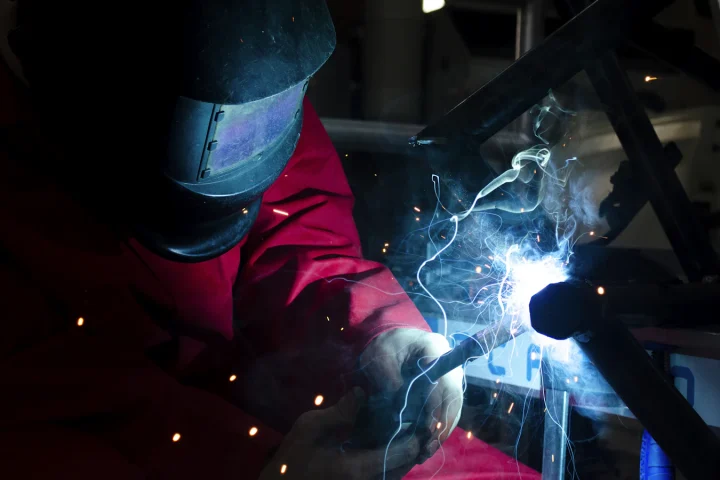
What Welder Should a Beginner Buy?
A beginner should usually buy a wire-feed welder: 120V flux-core for a low-cost start, or a gas-capable MIG machine for cleaner welds…
Comparison
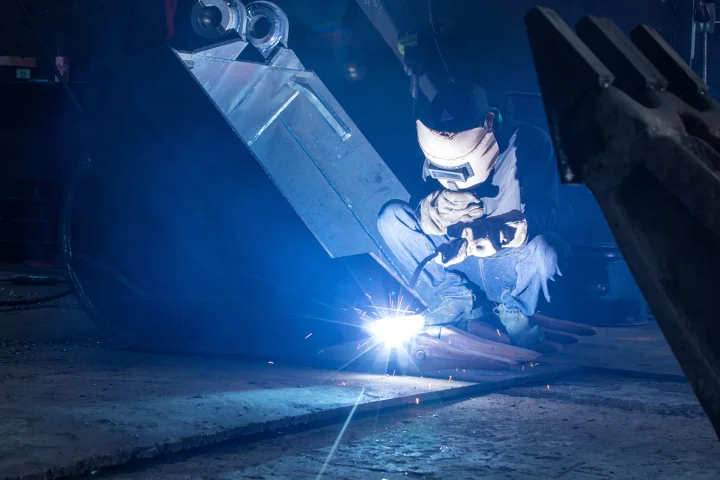
MIG vs TIG vs Stick: Which Welding Process Should You Learn First?
MIG is the easiest welding process to learn first, stick suits outdoor work on rusty steel, and TIG offers the most control…
Guide
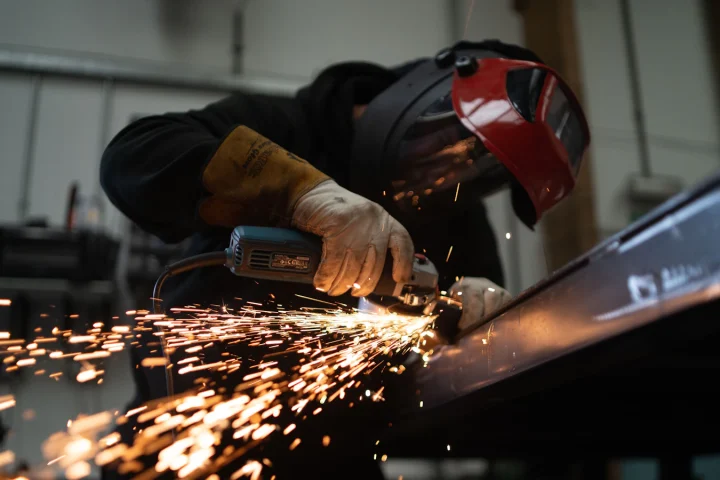
9 Common Beginner Welding Mistakes (and How to Fix Them)
Nine common beginner welding mistakes, from dirty metal and poor clamp contact to wrong settings and travel speed, with a practical fix…