Buying guides
Welding Equipment Buying Guides
How to choose a welder by process and power supply, and how to choose the protective gear and workshop equipment that goes with it.
WelderGuru is reader-supported. As an Amazon Associate we earn from qualifying purchases made through links on this page, at no extra cost to you. Learn more.
By process and power
Welders
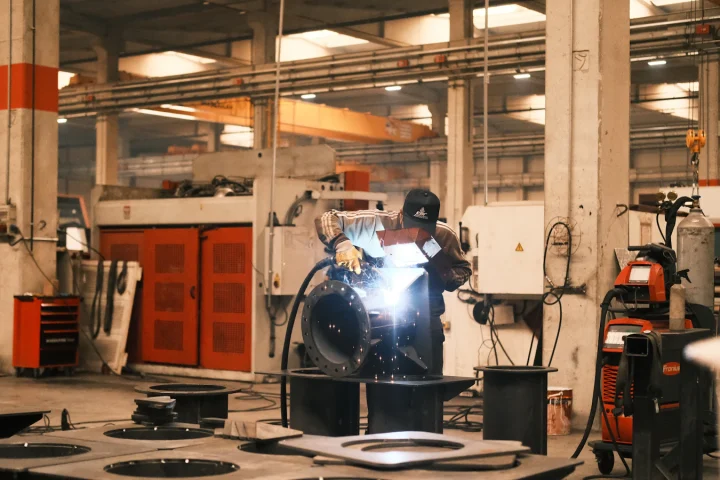
Best Welders: How to Choose
Start here to compare every welder type by process, power and typical use.
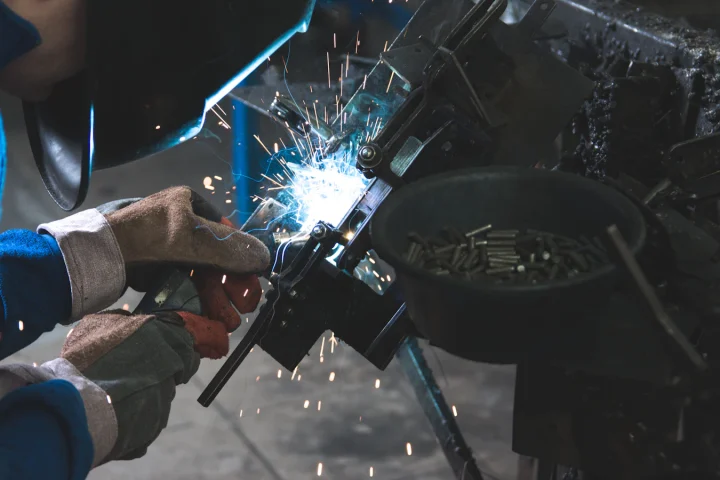
MIG Welders
What to look for in a MIG machine, from wire feed quality to gas support.
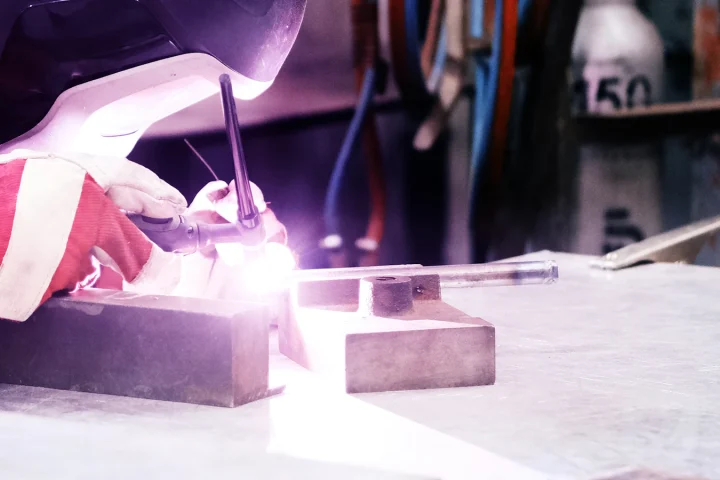
TIG Welders
AC/DC capability, pedal control and the features that matter for precision work.
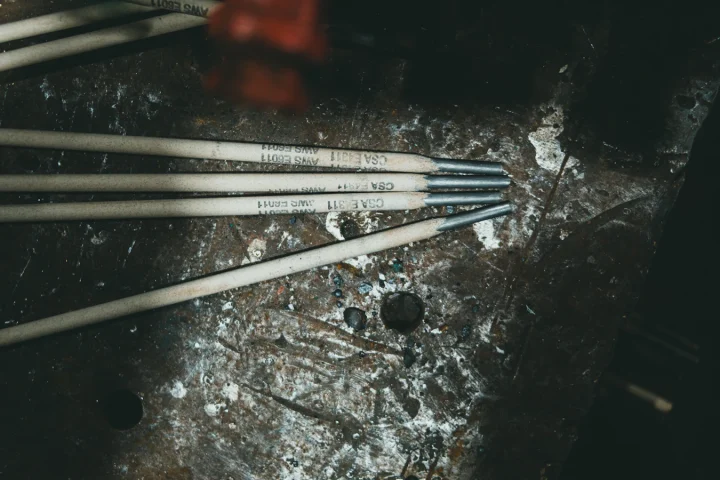
Stick Welders
Simple, durable machines for repair, farm and outdoor welding.
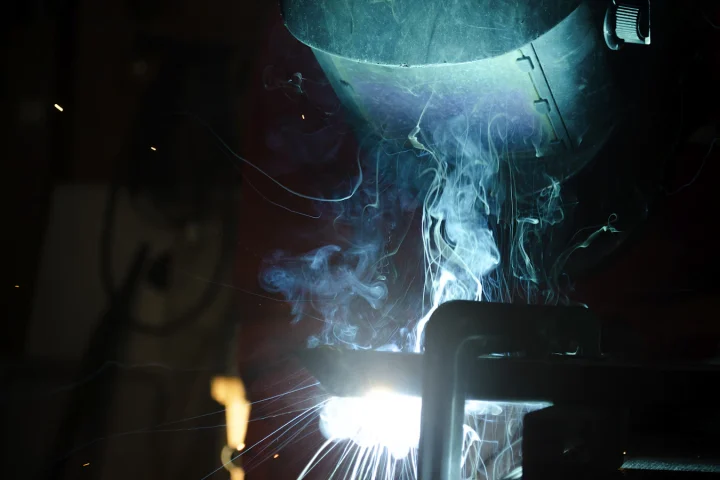
Flux-Core Welders
Gasless wire welders for beginners and outdoor steel work.
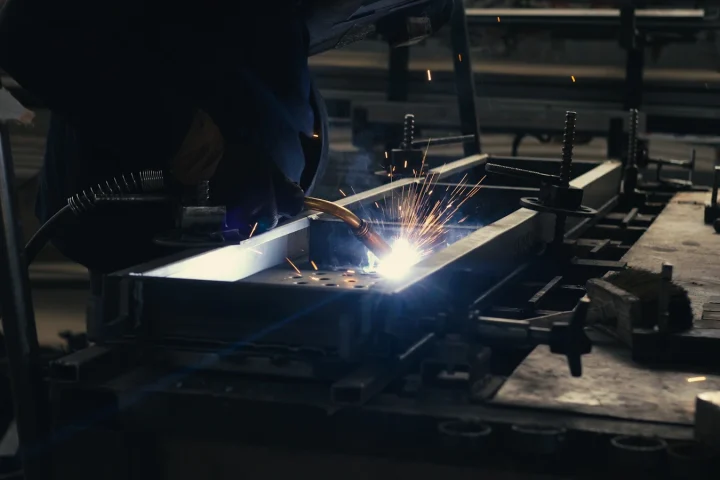
Multi-Process Welders
One machine for MIG, flux-core, stick and often lift-TIG.
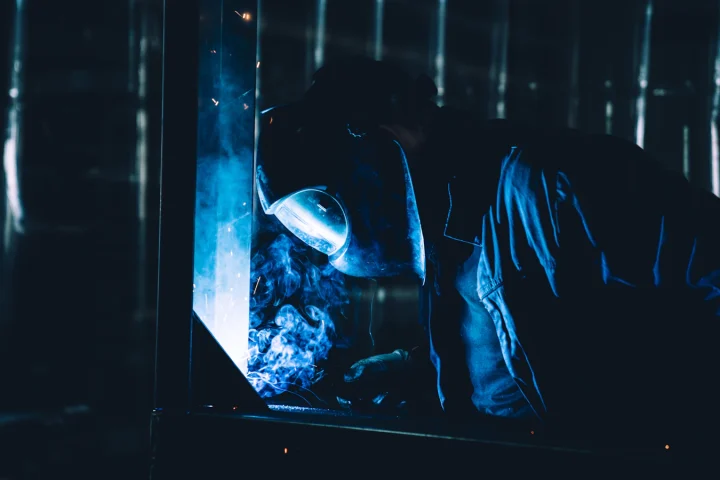
Welders for Beginners
Forgiving first machines and the features worth paying for.
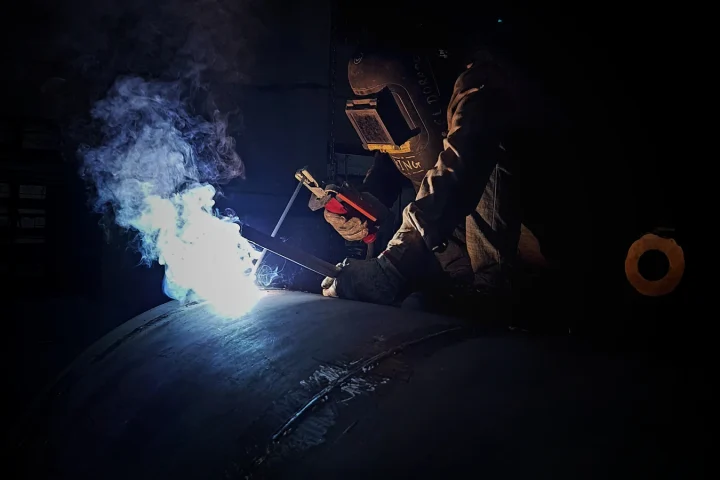
120V Welders
Machines that run from a household outlet, and their limits.
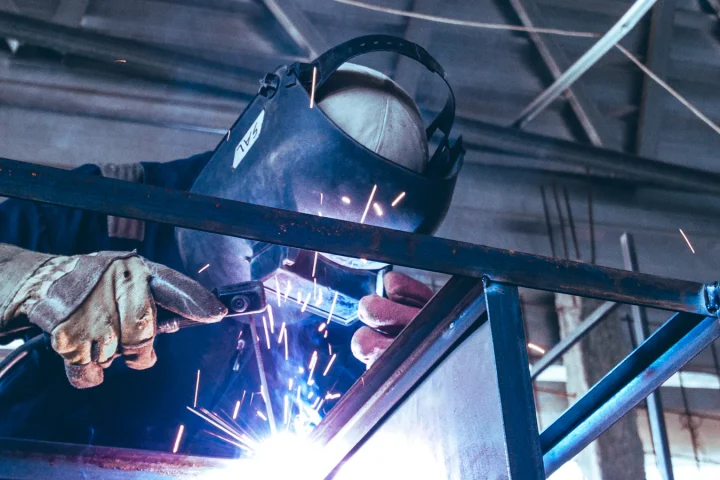
240V Welders
More amperage and duty cycle for thicker material and longer welds.
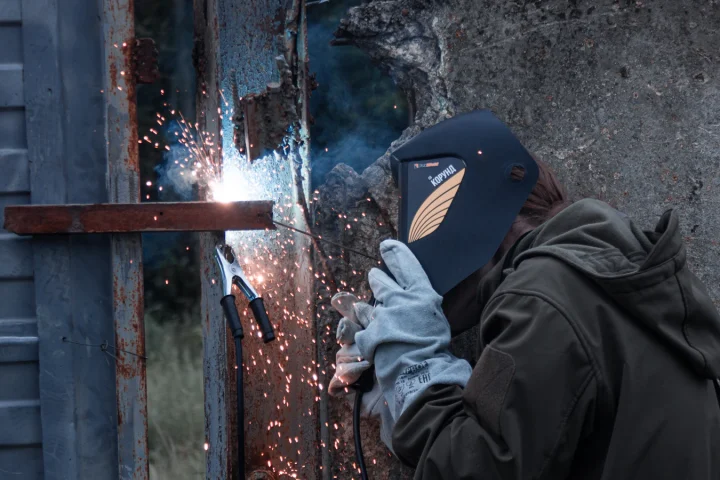
Portable Welders
Lightweight inverter machines for mobile and jobsite repairs.
Gear
Protective gear and workshop equipment
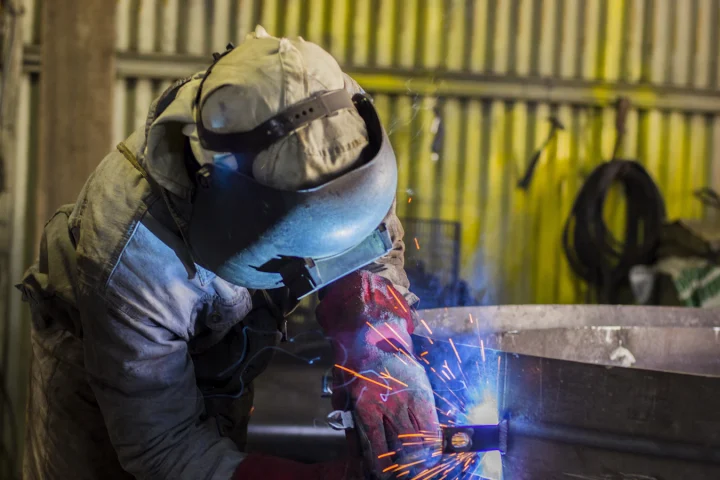
Welding Helmets
Auto-darkening lenses, shade ranges, viewing area and comfort.
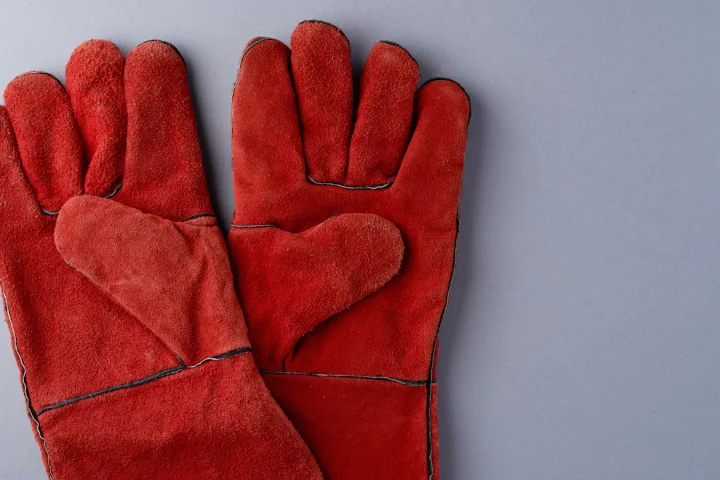
Welding Gloves
Match glove thickness and dexterity to your welding process.
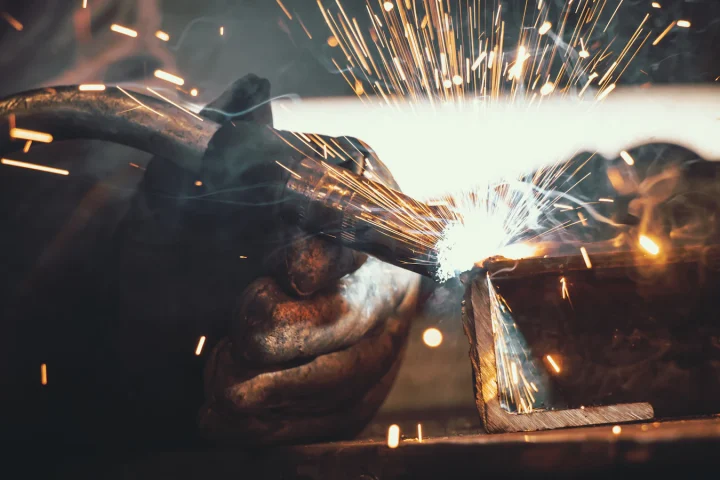
Welding Safety Gear
The full PPE kit: jacket, boots, glasses, respirator and more.
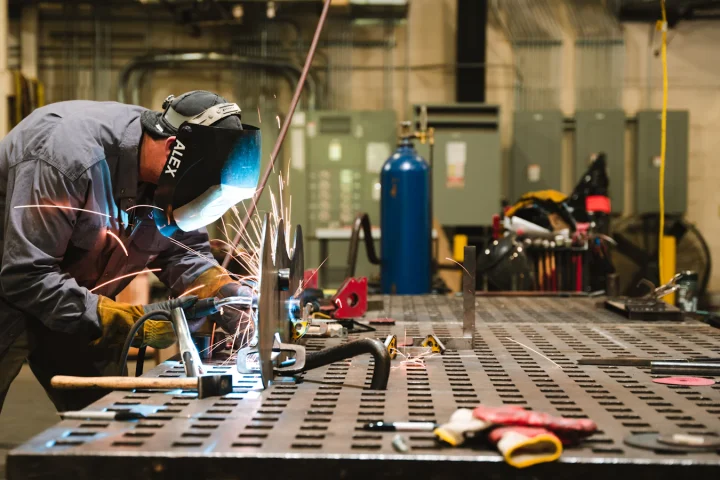
Welding Tables
Top thickness, fixture holes and what makes a table worth owning.
Welding Carts
Keep the machine, cylinder and leads organised and mobile.
Decide between two options
Head-to-head comparisons
- MIG vs TIG vs StickWhich process to learn first
- MIG vs Flux-CoreGas or gasless wire welding
- 120V vs 240V WeldersWhat each supply can really do
- What Welder Should a Beginner Buy?A first-machine decision guide
Interactive welder finder
Which Welder Is Right for You?
Ten questions about your experience, materials, projects and power supply, and a recommended type of machine at the end.
Use this as a starting point. Always verify the machine's specifications and suitability for your project.