How to Weld Aluminum: Processes, Prep and Common Problems
Aluminum needs AC TIG or MIG with a spool gun, pure argon and careful cleaning. This guide covers prep, filler choice, technique and common faults.
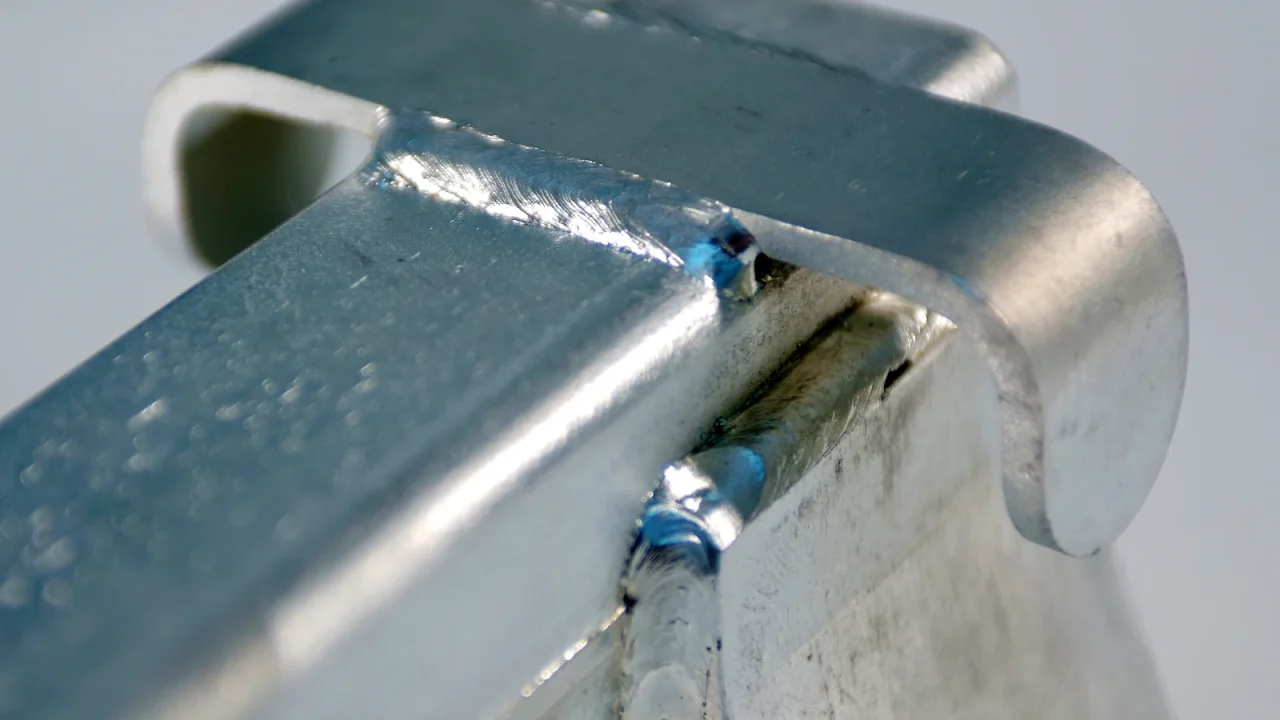
Aluminum can be welded at home with two processes: TIG on alternating current, or MIG with a spool gun. Both need 100% argon shielding gas, a filler matched to the alloy, and a joint that has been degreased and brushed free of oxide just before you strike the arc.
On this page
It is harder than steel because the metal behaves differently under heat. It gives little warning before it melts, pulls heat away from the joint quickly, and is covered by an oxide skin that melts far hotter than the metal underneath. Learn on mild steel first, then practice on aluminum scrap.
Why aluminum is harder to weld than steel
- The oxide layer. Aluminum melts at roughly 1,200 degrees Fahrenheit, while the oxide on its surface melts at well over 3,000 degrees. If the oxide is not removed, it sits on the puddle like a skin, blocks fusion and traps contamination.
- Heat conductivity. Aluminum carries heat away from the joint several times faster than steel. Starts tend to be cold and poorly fused, and by the end the whole part is hot.
- No color change. Steel glows red before it melts. Aluminum stays dull silver until the surface turns shiny and wet, then it can drop out with almost no warning.
- Hot cracking. Many aluminum alloys are weak while they solidify. The wrong filler, too little filler, or an unfilled crater at the end can leave a weld that cracks as it cools.
- Porosity. Molten aluminum absorbs hydrogen from moisture, oil and dirty filler, then releases it as bubbles when it freezes.
Choosing a process: AC TIG or MIG with a spool gun
AC TIG is the most controllable option. Alternating current matters because one half of the cycle breaks up the oxide layer and the other half puts heat into the metal. A DC-only TIG machine is not suited to general aluminum work. TIG is slow, but it handles thin sheet and gives the cleanest bead. The TIG welding basics guide covers the equipment.
MIG with a spool gun is faster and easier to learn, and it suits material from about 1/8 inch upward. Soft aluminum wire buckles when pushed through a long gun cable, so a spool gun carries a small spool on the gun and feeds the wire only a few inches. The machine must support a spool gun and have enough output for the thickness, which favors 240V machines. See 120V vs 240V welders.
Stick and flux-core are poor choices. Aluminum stick electrodes exist, but the arc is hard to control, leftover flux is corrosive, and results on thin material are rough. Self-shielded flux-core wire for aluminum is not a practical option for home machines, so a gasless wire-feed welder cannot weld it. The MIG vs TIG vs stick comparison explains the wider trade-offs.
Cleaning and prep
Do the preparation in this order:
- Degrease the joint and the area around it with acetone or a similar residue-free solvent on a clean cloth. Let it evaporate fully, and keep the solvent container well away from the welding area.
- Remove the oxide with a stainless steel wire brush that is used only on aluminum, after degreasing and not before. A brush that has touched steel will embed particles that contaminate the weld.
- Wipe away the brushing dust and weld soon afterward, because the oxide starts to re-form right away.
- Keep filler rod and wire clean and dry. Wipe TIG rod with solvent and store spools sealed.
Never use chlorinated solvents or brake cleaner for weld prep. Residue from some of these products can break down under arc heat into highly toxic gas.
Filler metal and shielding gas
Two filler alloys cover most home and hobby work. Both are sold as MIG wire and as TIG rod.
| Point | ER4043 | ER5356 |
|---|---|---|
| Main alloying element | Silicon, about 5% | Magnesium, about 5% |
| Puddle behavior | Fluid, wets in easily, more forgiving | Stiffer puddle, takes more control |
| Strength and ductility | Lower | Higher |
| Weld appearance | Cleaner, less soot | More black soot at the weld edges |
| Anodizing after welding | Weld turns dark gray | Closer color match |
| Typical use | General work on 6061 and similar alloys, parts that run warm | 5000-series alloys, or 6061 where more strength is wanted |
Check a filler manufacturer’s selection chart for your alloy before choosing. Some alloys, including many 2000-series and 7000-series grades, are not considered weldable by ordinary arc processes.
Use 100% argon for both TIG and MIG. Common starting flow ranges are roughly 15 to 20 cubic feet per hour for TIG and 25 to 35 for MIG with a spool gun. Confirm against your machine’s chart and manual.
Technique differences from steel
- Push, do not pull. Point the gun or torch 10 to 15 degrees in the direction of travel. Dragging puts the gas behind the arc and leaves a sooty, porous weld.
- Travel faster. Aluminum needs plenty of heat to start, then quick, steady travel. As the part heats up, speed up or reduce heat.
- Use a longer MIG stickout. About 1/2 to 3/4 inch is a common recommendation for spool gun work, which is longer than on steel.
- Fill the crater. Add filler at the end of the weld so it does not finish in a thin, concave crater, where cracks usually start.
- Preheat only modestly. On thick sections a light preheat helps the start of the weld fuse. Keep it to roughly 200 to 250 degrees Fahrenheit and check with a temperature crayon or thermometer. Overheating softens heat-treated alloys such as 6061.
Take settings from the chart on your machine for the thickness and wire diameter, confirm against the manual, then test on scrap of the same alloy and thickness.
Common problems and likely causes
| What you see | Likely cause | Check first |
|---|---|---|
| Porosity | Oil, moisture, oxide, or poor gas coverage | Degrease and brush again, then gas type, flow, leaks and drafts |
| Burn-through | Heat building up in the part, travel too slow | Travel faster, lower the heat as the part warms, use a backing bar on thin sheet |
| Sooty black welds | Dragging the gun, low gas flow, long arc, or ER5356 filler | Push angle, flow rate, and stickout. Light soot that wipes off is normal with ER5356 |
| Cracking | Wrong filler, too little filler, or an unfilled crater | Filler choice for the alloy, bead size, and crater fill |
For a deeper look at the first row, see weld porosity causes and fixes.
Safety notes specific to aluminum
Aluminum stays hot without looking hot, so treat every recently welded part as a burn hazard. The arc on bright aluminum is intense and produces more ozone than welding steel, so cover all skin and ventilate well. The welding PPE checklist and welding safety basics cover the rest.
This guide is for general fabrication and repair of non-critical items. Structural parts, pressure vessels, fuel tanks and vehicle frames need qualified welders working to a written procedure. Have a qualified electrician install any new outlet or circuit for a welder.
Frequently asked questions
Can I weld aluminum with a regular MIG welder?
Which filler should a beginner start with?
Why do my aluminum welds look black and sooty?
Sources and further reading
Keep reading
Related guides
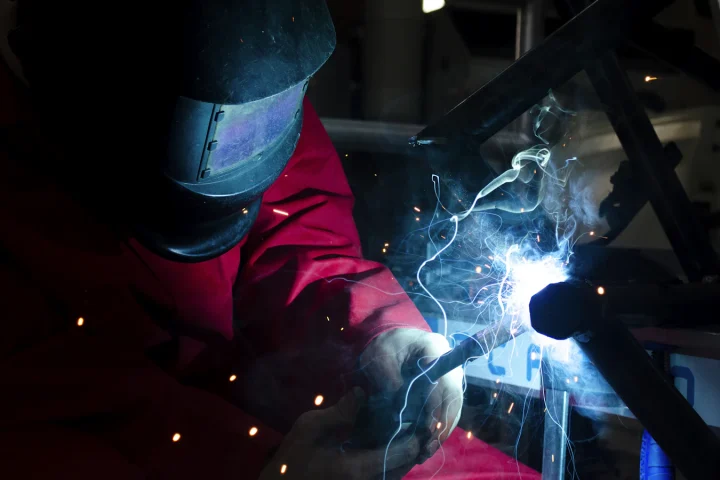
Buying advice
What Welder Should a Beginner Buy?
A beginner should usually buy a wire-feed welder: 120V flux-core for a low-cost start, or a gas-capable MIG machine for cleaner welds…
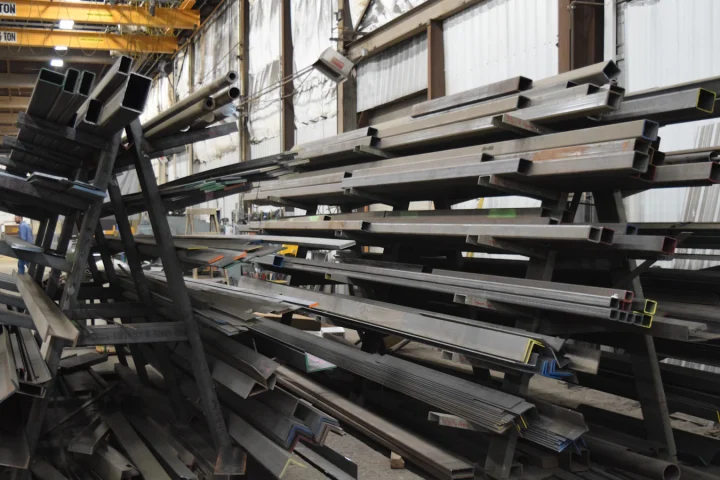
Material guide
How to Weld Mild Steel: The Beginner’s Material Guide
Mild steel is the easiest metal to learn welding on. This guide covers prep, process choice, wire and rod selection, fit-up, distortion…
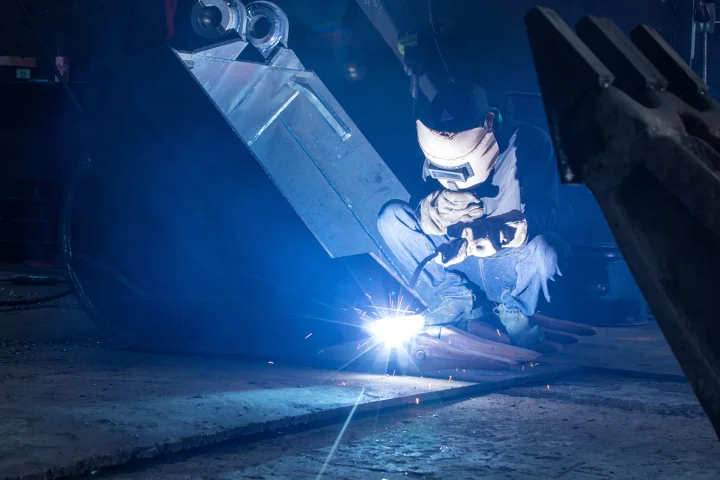
Comparison
MIG vs TIG vs Stick: Which Welding Process Should You Learn First?
MIG is the easiest welding process to learn first, stick suits outdoor work on rusty steel, and TIG offers the most control…